 Skip to content

The Internet of Things (IoT) is no longer limited to just computers, tablets and smartphones. It has steadily been gaining traction across various industries. Amongst other sectors, remotely controlled applications are helping to automate solutions. They also solve numerous problems for health, energy, automotive and retail.
In 2009, there were less than a billion IoT devices. Ten years later, in 2019, humbler estimates suggest the number of connected devices exceeds 25 billion. And although ambitious, some estimations indicate this figure will grow to a staggering 50 billion in 2020.
We take a look at how IoT will develop in a range of different areas over the coming year… 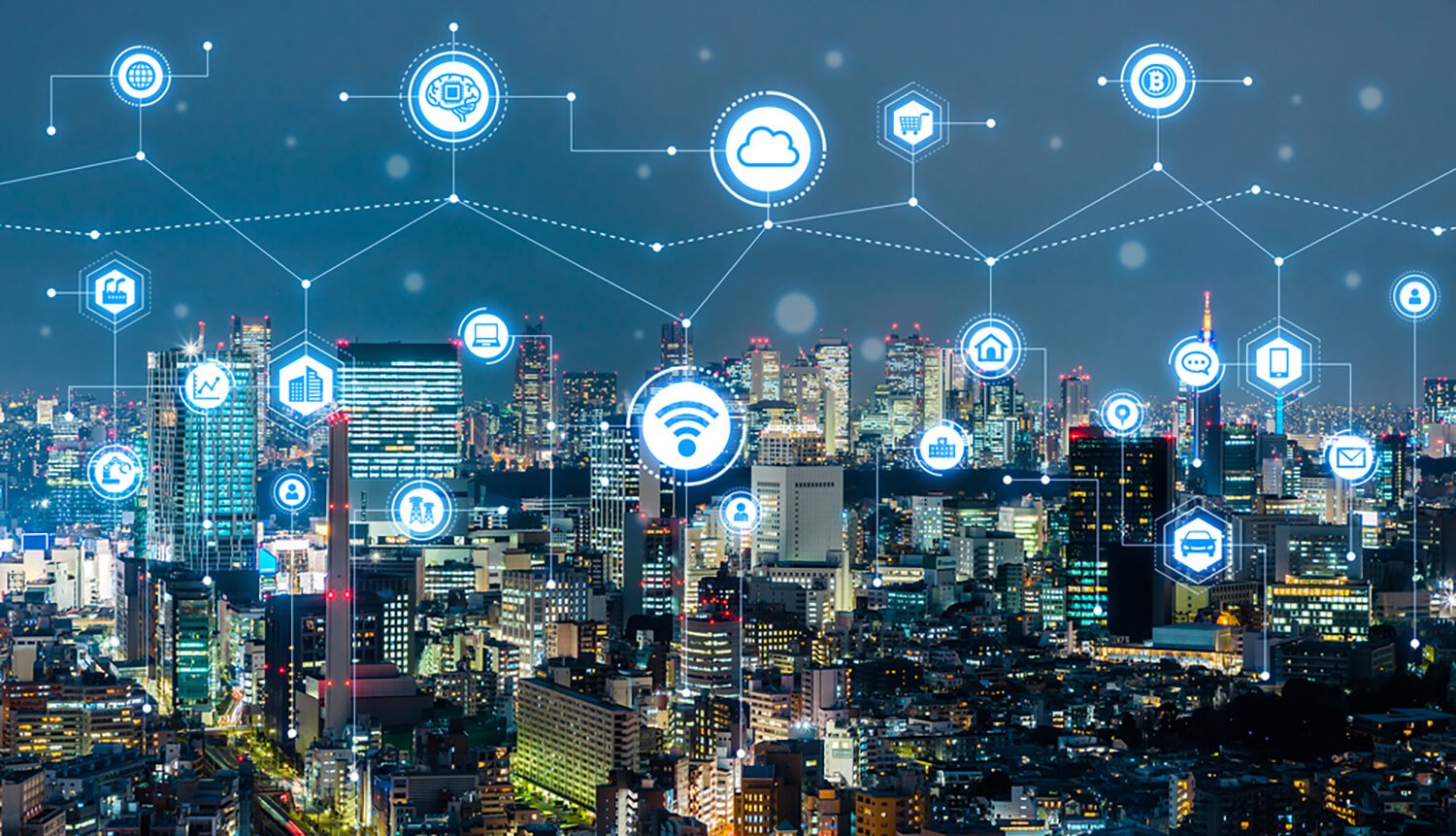
Automotive
The dawn of the 5G era is likely to have a substantial impact on IoT-based applications. It will improve connectivity speeds across multiple devices. To date, 5G technology has mostly been reserved for the telecoms industry. In 2020, however, we will see 5G shift gear as it makes a sharp turn into the automotive industry.
Features like car system monitoring and smart driving assistance have been around for a while. However, faster networks will help to improve the gathering, analysis and management of data. This is essential for the development of autonomous vehicles, which will become increasingly common on the roads over the next few years.
Agriculture
One of the industries that will benefit hugely from IoT in 2020 is agriculture. Internet-connected sensor applications include smart weather stations and crop management devices. They will enable farmers to gather useful data on weather conditions and soil quality. Farmers will also gain data about their animals, farm resources and crop growth progress.
This data will then give farmers greater control over production. As a result, they can automate processes, maximise efficiency, reduce waste and manage costs effectively. Ultimately, they can also improve crop quality.
Energy
The energy sector has already experienced significant benefits from IoT technologies. Thanks to remote monitors and sensors, utility companies can now oversee consumption and production more easily. This gives a better overview of the entire power grid and helps to improve efficiency.
In 2020, there will be a big push for renewable energy. For example, internet-connected solar panels are starting to become more popular than their unconnected counterparts.
Logistics and supply
The forecast for IoT applications in 2020 shows excellent progress when it comes to business supply chains. Current tracking methods mean only entire groups of products can be tracked. However, new internet-connected developments in this area will allow the tracking of individual products. This includes tracking information such as expiration dates and proper conditions for storing certain products.
As such, organisations will be able to dramatically improve their supply chains. In turn, this will enable them to offer a higher level of service to their customers.
Retail
It’s not just the supply chain that’s being improved by IoT developments. Online and in-store, the retail sector is also increasingly starting to harness these technologies to personalise the shopping experience.
Next year, consumers can expect to get notifications on their smartphones. These will promote discounts on frequently bought products from their favourite shops. Virtual store maps will then help customers shop, leading them to the exact products they desire.
Health
The health industry was one of the early adopters of IoT technology. But the NHS continues to buckle under enormous pressure. Therefore, connected smart devices will become crucial in supporting a range of health services.
Wearable medical devices are already sending data from insulin pumps, pacemakers and similar devices to healthcare professionals remotely. This helps to improve the quality of patient care and reduces the strain on the wider healthcare system. In 2020, we will see these internet-connected devices go one step further. They will help patients to perform essential functions such as walking or maintaining balance.
Home maintenance
Certain categories of IoT products have already become extremely popular with consumers. These are smart home technologies such as door locks, thermostats and plugs. Next year, however, these technologies will become increasingly vital in preventing home maintenance disasters. They will inform owners about appliance failures, plumbing leaks or electrical issues.
Connected sensors were previously seen in the likes of factories, planes and cars. They will enable operators to take action immediately if a problem is flagged. In addition, we will soon see companies start to offer “homecare-as-a-service”.
Infrastructure
On a broader scale, smart cities will no longer be a futuristic pipe dream. Courtesy of the data collected through all the above IoT devices, local authorities will be able to deliver innovations. These will cover transport and traffic management, crime prevention, sustainable development and utilities. All of this will save time, money and other resources.
Meanwhile, citizens will be able to enjoy more comfortable and hassle-free lives thanks to significantly improved amenities.
None of the current IoT technologies or upcoming developments would be possible without electronics. Would you like to find out more about EC Electronics’ services? We can help bring your next IoT project to life, so get in contact today.


