Skip to content

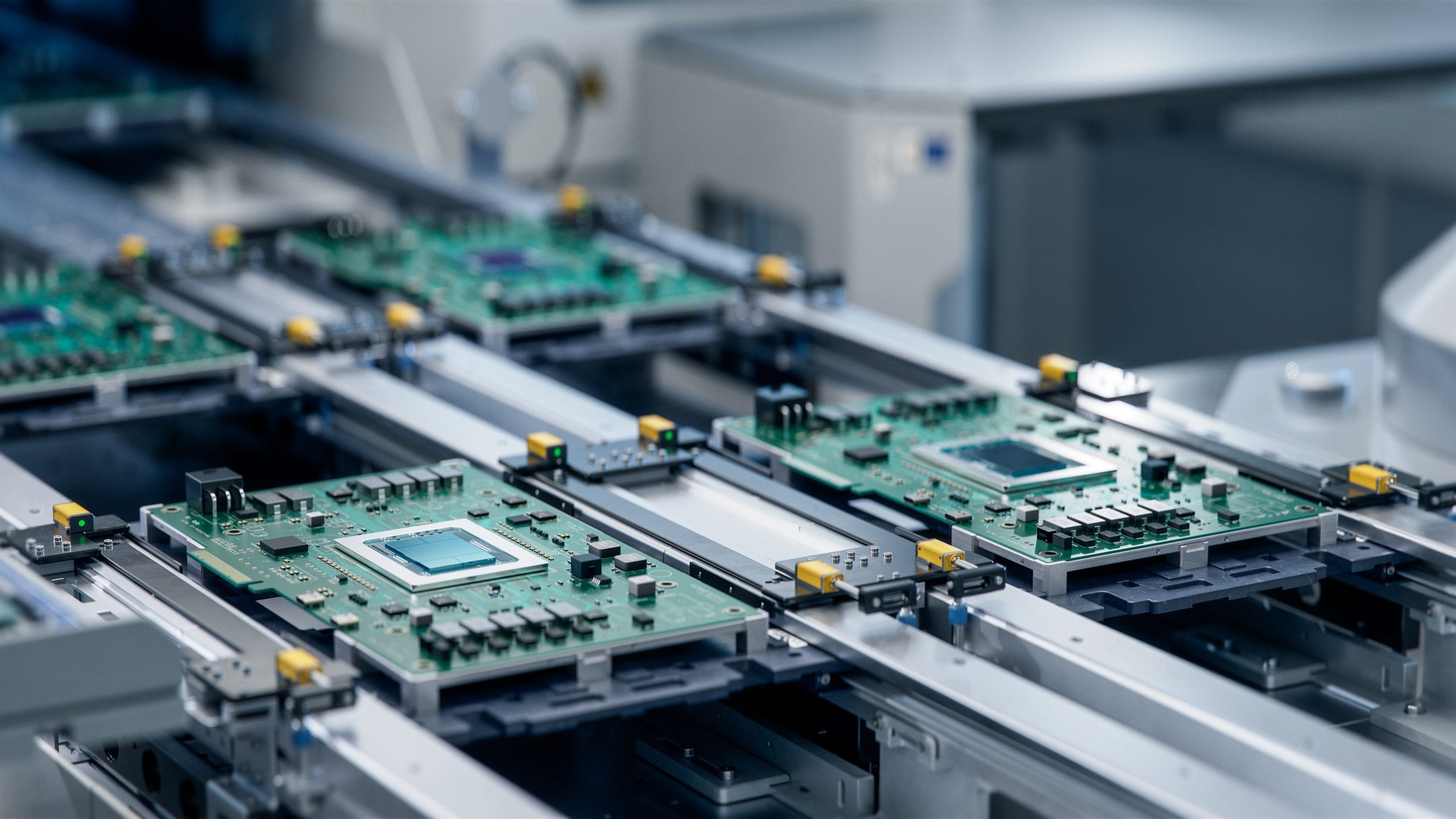
Choosing the right electronics manufacturer is essential for scaling modern production efficiently. Outsourcing production provides the fastest, most cost-effective way for OEMs to scale without tying up capital in equipment, headcount, or factory space. Furthermore, it unlocks specialist capabilities like advanced inspection, conformal coating, high-reliability workmanship, or hazardous-area compliance.
However, electronics manufacturing involves far more than basic assembly.
It represents a chain of critical decisions covering materials, processes, inspection, test strategy, traceability, and supply chain control. Small gaps in these areas quickly lead to expensive failures.
Therefore, industrial standards are vital.
These standards create a common language for quality, safety, and environmental performance. Additionally, they allow you to verify that a potential partner maintains the systems needed for consistent builds during supply constraints or design changes.
This guide breaks down key industrial standards and their real-world importance. Furthermore, we share practical tips for selecting the right electronics manufacturer to deliver reliable outcomes across the full product lifecycle.
Why standards matter for an electronics manufacturer
Industrial and mission-critical electronics must perform reliably in harsh environments. Consequently, devices face extreme temperatures, vibration, dust, moisture, and electrical interference.
Moreover, the cost of failure is substantial. Line stoppages, warranty spirals, safety incidents, or non-compliance can block shipments immediately.
Therefore, standards manage those risks in three distinct ways:
A strong standards posture shows that an electronics manufacturer is set up for a long-term partnership rather than quick builds.
ISO standards
ISO standards set requirements for management systems controlling organizational operations. Consequently, they help manufacturers deliver consistent quality, satisfy regulatory expectations, and improve production performance.
ISO 9001: quality management
ISO 9001 serves as the primary quality management system (QMS) standard. In practice, it drives an electronics manufacturer to run production as a controlled, improving system. This covers contract review, process control, traceability, training, and corrective actions.
For OEMs, the benefit is clear. An ISO 9001 certified supplier delivers consistent builds across changing volumes and component substitutions. Thus, operational procedures remain documented and measured rather than improvised.
ISO 14001: environmental management
ISO 14001 establishes an environmental management system framework. Rather than dictating factory actions, it guides teams to identify environmental impacts, satisfy legal obligations, and improve resource efficiency.
Specifically, this standard offers key advantages to OEMs:
IPC standards
While ISO standards guide management systems, IPC standards dictate build quality directly on the assembly floor.
IPC-A-610: PCB assembly acceptability
IPC-A-610 sets workmanship criteria for PCB assemblies, including soldering, placement, and cleanliness. Consequently, it aligns inspection criteria between OEMs and suppliers.
Additionally, IPC-A-610 defines product classes (Class 1, 2, and 3), with Class 3 covering high-reliability applications.
Therefore, if your product operates in demanding environments, you should confirm which class your electronics manufacturer uses.
IPC/WHMA-A-620: cable and wire harness acceptance
When systems include wire harnesses, IPC/WHMA-A-620 defines acceptance criteria for crimping, soldering, routing, and testing.
This distinction remains critical. Powering on successfully differs from surviving vibration, strain relief stress, and thermal cycling in the field.
Furthermore, IPC alignment reduces interpretation risks for OEMs sourcing PCBA and interconnects during volume production.
ATEX Directive 2014/34/EU
When products operate in explosive atmospheres—like oil, gas, or chemical processing—standards prevent ignition risks.
ATEX serves as the EU framework governing equipment in explosive environments. Put simply, it defines design, assessment, and conformity expectations for hazardous locations.
EN ISO/IEC 80079-34: manufacturing quality system for Ex products
EN ISO/IEC 80079-34 specifies quality requirements for manufacturing Ex equipment under certified designs.
Consequently, hazardous-area compliance extends beyond initial product design. Production, documentation, and traceability must protect certification integrity. This level of rigor demands controlled inspection, build records, and supplier management.
Thus, your chosen electronics manufacturer must prove compliance with these expectations.
Sustainability and materials compliance
Auditable systems and compliant materials increasingly define manufacturing sustainability.
For OEMs, environmental performance represents a core commercial requirement driven by customer expectations and regulations.
RoHS: restricting hazardous substances in EEE
RoHS restricts hazardous substances in electrical equipment. Consequently, it guides component choices and documentation, particularly when selecting alternates during supply shortages.
REACH: chemical substance controls across the supply chain
REACH covers chemical risks across supply chains. Thus, it affects declarations and compliance reporting for OEMs.
WEEE and end-of-life considerations
WEEE regulations guide take-back and recycling practices. Customers frequently ask how partners handle products and packaging at end-of-life.
Together, these standards validate sustainable electronics products. Unsubstantiated claims fail quickly without material compliance records.
Quality assurance vs quality control: what you should expect in practice
Although people interchange these terms, evaluating partners requires clear distinctions:
Top manufacturing partners invest heavily in both areas.
Consequently, you need a provider explaining defect prevention alongside early detection strategies like AOI and functional testing.
A practical checklist for choosing the right electronics manufacturing partner
Goal alignment between your product risk profile and supplier systems remains essential.
Consider these criteria when evaluating candidates:
1. Start with your requirements (and be explicit)
Define these parameters before issuing an RFQ:
A qualified electronics manufacturer assists in refining parameters rather than quoting blindly.
2. Verify certifications and ask what they really cover
Verify current certifications from accredited bodies for target build sites:
3. Evaluate manufacturing capability as a system, not a list of machines
Operational systems matter more than equipment lists. Look for:
4. Ask about test strategy early (and budget for it)
Discussing testing late risks field failures or unnecessary costs.
A strong partner right-sizes testing to risk. Consequently, they combine inspection, electrical testing, and functional verification effectively.
5. Understand supply chain controls and substitution policy
Component availability fluctuates. Ask how partners manage substitutes:
Standardized procedures prevent unexpected production surprises.
6. Look for evidence of sustainability practice
When building sustainable products, confirm these indicators:
7. Prioritise communication and programme management
Poor communication damages partnerships despite excellent factory capabilities. Evaluate these factors early:
Successful partnerships run smoothly, leading to clearer issue resolution and fewer escalations.
Why EC Electronics is a strong partner for standards-driven OEMs
If your selection criteria prioritize certified systems and hazardous-area readiness, EC Electronics makes quality a priority.
EC Electronics operates multi-site ISO 9001 and ISO 14001 management systems. Consequently, this supports consistent quality and environmental governance across all operations.
For explosive environments, EC holds certification to EN ISO/IEC 80079-34:2018 in line with IECEx and ATEX Directive 2014/34/EU. Thus, we maintain the controls necessary to build hazardous-area products safely.
Regarding workmanship, specialists meet IPC-A-610 Class 3 for PCBs and IPC/WHMA-A-620 for wire harnesses. Therefore, our build quality satisfies high-reliability standards.
Our environmental approach focuses on reducing footprints through compliant practices. This provides auditable backing for sustainable electronics.
If you need an electronics manufacturer that supports complex projects, EC Electronics offers the ideal solution.
Whether preparing for NPI or scaling production, speak to the team about your next project.