Skip to content

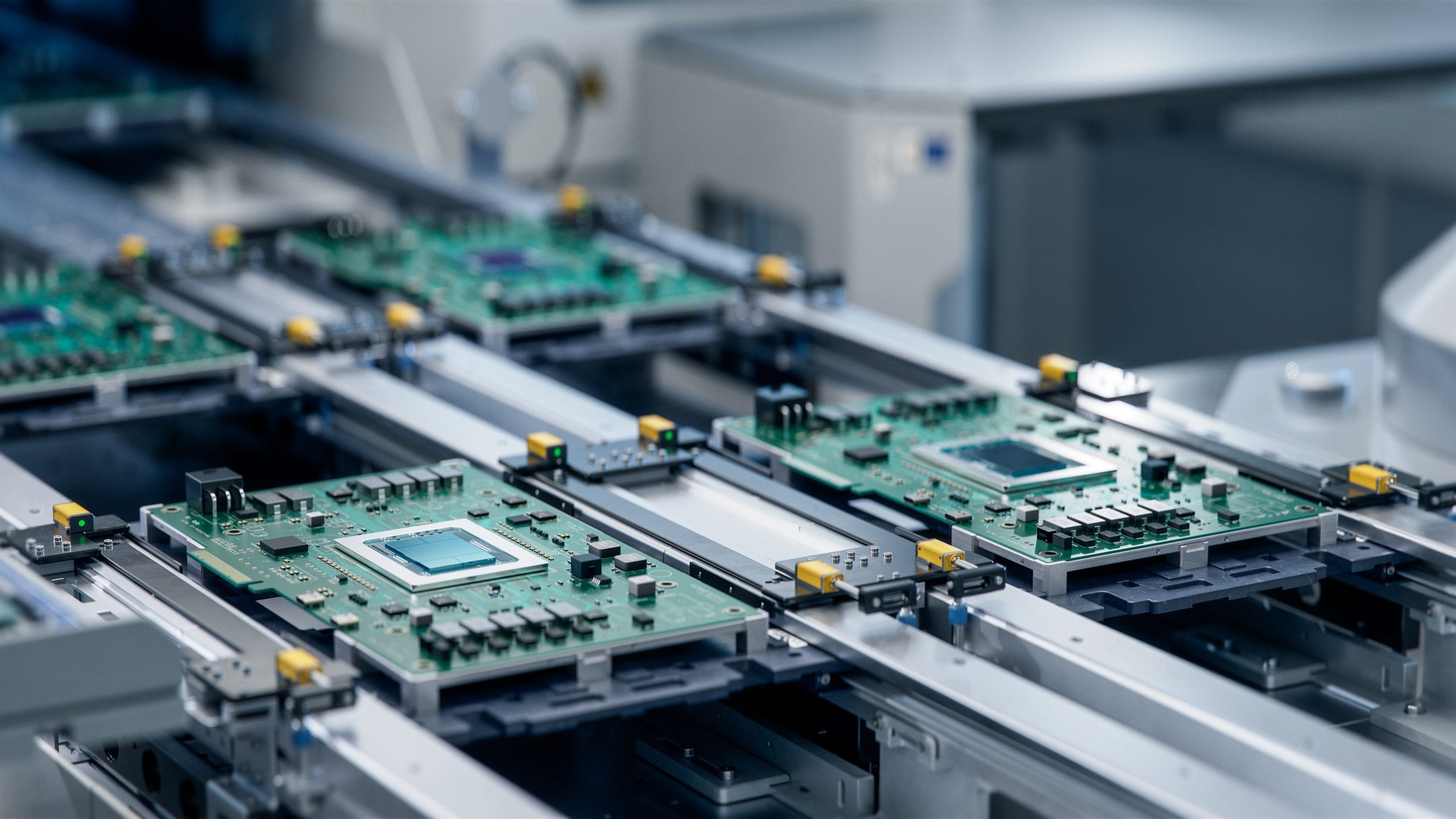
Maintaining high standards in industrial electronics manufacturing enables efficient and safe operations. Furthermore, engineers embed these technologies into critical systems like robotics and energy production.
In a warehouse setting, robotics pack goods quickly. Consequently, machines outperform human workers in speed. Additionally, combining these systems with the Internet of Things (IoT) brings connectivity to smart factories globally.
Therefore, electronic components must withstand harsh environments to support these applications. They must also offer high reliability and consistent performance.
Quality assurance vs quality control in industrial electronics manufacturing
Precision and durability remain non-negotiable in the industrial sector.
Indeed, industrial environments present extraordinary challenges. For instance, electronics must endure high temperatures, dust, vibrations, and electrical interference.
Without reliable industrial electronics manufacturing processes, equipment fails easily. Consequently, component failures cause severe financial losses and missed deadlines in automated factories. Moreover, failures in critical applications like power plants threaten human safety.
As a result, companies enforce stringent quality control measures. People often treat quality control and quality assurance as identical terms. However, distinct differences exist between them. Specifically, quality assurance prevents defects by improving production processes. Meanwhile, quality control identifies and rectifies defects in finished goods.
Ultimately, both approaches deliver reliable services to the demanding industrial sector.
Quality standards for industrial electronics
Industrial applications utilize various complex technologies. Consequently, these systems present significant manufacturing challenges. Therefore, engineers must ensure that every PCB assembly or cable assembly meets specifications.
Maintaining top quality control requires strict adherence to industry regulations. Specifically, key manufacturing standards include:
IPC-A-610
This internationally recognized standard defines acceptability criteria for electronic assemblies. Furthermore, it establishes clear quality guidelines for printed circuit board assemblies.
The IPC-A-610 standard categorizes products into three distinct classes based on intended use. Notably, Class 3 covers high-performance hardware used in mission-critical applications. In addition, each class specifies exact tolerances for soldering, component placement, cleanliness, and marking. For further details on assembly criteria, consult official IPC industry standards.
IPC/WHMA-A-620
Similarly, precision remains vital for the connections that power and control industrial machinery.
The IPC/WHMA-A-620 standard applies specifically to cable and wire harness assemblies. Thus, it maintains connection integrity under heavy pressure. This specification sets strict criteria for crimping, soldering, mechanical assembly, and testing.
ATEX Directive
Products designed for potentially explosive atmospheres must operate safely. This requirement applies directly to high-risk industrial sites.
Therefore, manufacturers comply with EN ISO/IEC 80079-34:2018 standards alongside IECEx and ATEX Directive 2014/34/EU. Consequently, the ATEX Directive verifies that hardware survives rigorous testing, minimizing explosion risks in hazardous areas.
ISO 9001
ISO certifications guarantee safety, quality, and operational efficiency across global markets. Accordingly, ISO 9001 holds major significance for industrial electronics manufacturing.
The ISO 9001 framework sets exact criteria for a complete quality management system. Furthermore, it focuses on customer satisfaction and continuous process improvement. Certification confirms that products meet regulatory requirements consistently.
Ultimately, adhering to these rigorous standards ensures robust and reliable production.
High-quality services in industrial electronics manufacturing
Understanding the difference between quality control and quality assurance guides this sector. To maintain high standards, manufacturers combine proactive processes with meticulous testing.
With over four decades of expertise, EC Electronics serves as a trusted partner. Over the years, we have delivered services supporting demanding applications globally. From design to delivery, our commitment ensures that hardware performs reliably in harsh environments.
Furthermore, SGS certifies our multi-site ISO 9001 quality management system across all facilities.
Our quality management system also satisfies EN ISO/IEC 80079-34:2018 requirements. This compliance aligns fully with IECEx and ATEX Directive 2014/34/EU. As a result, our hardware operates safely in explosive atmospheres.
Additionally, specialists at EC Electronics hold certifications for IPC/WHMA-A-620 and IPC-A-610 Class 3. These credentials ensure every product undergoes thorough inspection.

Our clients in the industrial sector rely on us to deliver exceptional services. Indeed, we dedicate our team to meeting this expectation consistently. To support your next project, contact our team at +44 (0)1256 461894 or sales@ecelectronics.com.